

round gold bathroom mirror with light
The Fascinating World of Large Granite Blocks Granite is one of the most fascinating and durable materials on Earth, renowned for its beauty, strength, and versatility. Large granite blocks, in particular, have garnered interest for their monumental size and the significant roles they play in various industries, architecture, and even art. This article will explore the unique characteristics of large granite blocks, their extraction process, applications, and their significance in both history and modern society. Characteristics of Granite Granite is an igneous rock composed mainly of quartz, feldspar, and mica. Its formation occurs over millions of years as magma cools slowly beneath the Earth’s surface. This slow cooling process allows large crystals to form, giving granite its distinctive granular texture. Large granite blocks often exhibit a range of colors, from deep blacks and grays to vibrant pinks and whites, making them not only functional but also aesthetically pleasing. The durability of granite stems from its hardness, which allows it to withstand weathering and erosion, contributing to its longevity in outdoor applications. Extraction and Processing The extraction of large granite blocks involves a meticulous and labor-intensive process. Quarries, often located in mountainous regions, are the primary sites for granite harvesting. Workers utilize specialized equipment such as diamond wire saws, which can cut large blocks with precision. The process begins with drilling holes into the granite to create perforations along predetermined lines. Once the lines are established, the diamond wire saw slowly cuts through the rock, resulting in massive blocks of granite weighing several tons. After extraction, these massive blocks undergo a series of processes to prepare them for use in construction or other applications. This includes trimming, polishing, and sometimes shaping the granite to fit specific designs or structures. The final product is a stone that is not only robust but also elegant, showcasing the natural beauty of the granite itself. Applications of Large Granite Blocks large granite blocks The applications for large granite blocks are vast and varied. In architecture and construction, these blocks are often used for creating durable facades, monuments, and memorials. Famous structures like the Egyptian pyramids and the statues at Mount Rushmore exemplify the versatility of granite through their monumental scales and resilience. In urban landscapes, large granite blocks serve as key components in public parks, fountains, and seating areas. Their ability to withstand harsh weather conditions makes them ideal for outdoor use, enhancing both functionality and aesthetic appeal. Furthermore, granite is commonly employed in interior design, with large blocks being used for countertops, flooring, and decorative features in homes and commercial establishments. In addition to construction, large granite blocks also play a critical role in the art world. Sculptors often use these large chunks of granite to create impressive sculptures and installations. The process of transforming a rough granite block into a fine work of art requires immense skill and artistry, showcasing the beauty and challenges inherent in working with such a sturdy material. Historical Significance Historically, large granite blocks have been integral to various cultures. Ancient civilizations often used granite to build temples, tombs, and other significant structures that have stood the test of time. For instance, many of the ancient stone monuments in India, such as the temples in Hampi, are made of granite that has remained intact for centuries. These sites not only highlight the architectural feats of our ancestors but also serve as a testament to the material's durability and significance in historical contexts. Conclusion Large granite blocks are more than just massive stones extracted from quarries; they represent a blend of natural beauty, functionality, and historical significance. Whether in monumental architecture, modern construction, artistic endeavors, or urban landscaping, granite continues to captivate and inspire. As we look to the future, the ongoing exploration and innovative uses of granite will undoubtedly pave the way for new applications, ensuring that this ancient material remains relevant in our ever-evolving world. Understanding the role that large granite blocks play in our lives reminds us of the enduring power of nature and the creativity of humankind.
about
round gold bathroom mirror with light
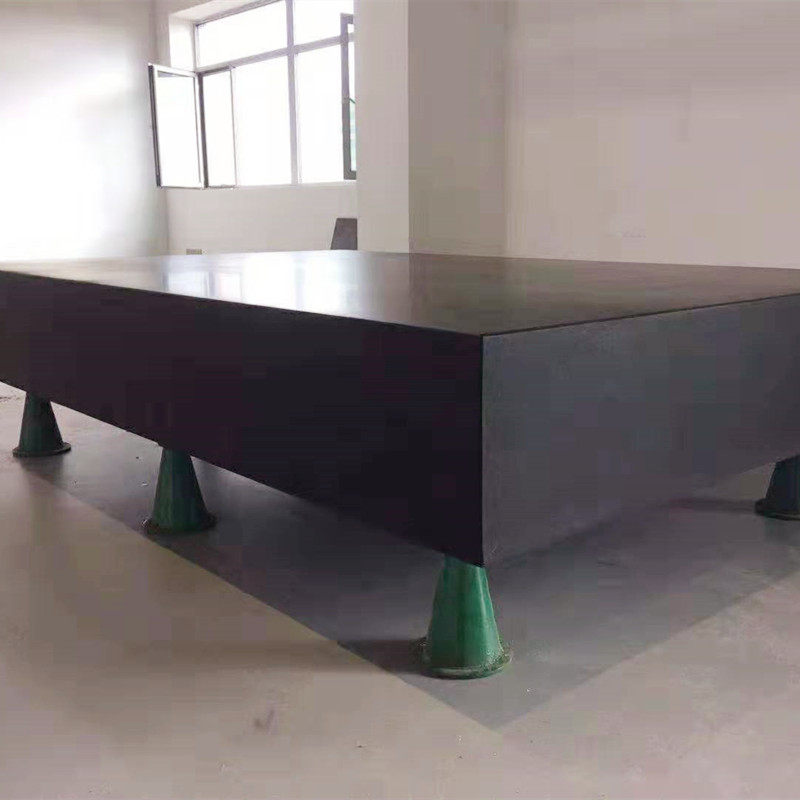
The Importance of Large Granite Surface Plates in Precision Engineering In the realm of precision engineering and quality control, large granite surface plates stand as indispensable tools. These flat, stable surfaces play a critical role in various applications, from simple layout work to the most complex machining processes. Their properties make them uniquely suited for ensuring measurement accuracy and facilitating the inspection of parts in manufacturing and engineering environments. Granite is a naturally occurring stone composed mainly of quartz, feldspar, and mica. Its inherent properties—such as hardness, strength, and resistance to wear—make it the ideal material for surface plates. The large granite surface plates are particularly valued for their ability to provide a stable reference plane that ensures precision during various measurement processes. They are often used in conjunction with other measuring tools like calipers, micrometers, and gauge blocks, forming a complete quality assurance system in a workshop. One of the most significant advantages of large granite surface plates is their superior flatness and rigidity. Precision granite surface plates are meticulously manufactured to meet tight tolerances that can be critical in engineering applications. A highly flat surface reduces the margins for error in measurements and ensures that components are machined accurately according to specified dimensions. This accuracy reduces the likelihood of assembly problems later in the production process, thereby saving time and resources. Additionally, large granite surface plates are resistant to thermal expansion and contraction, a phenomenon that can affect measurements if temperatures fluctuate. Unlike metal plates, which can change dimensionally with temperature variations, granite remains stable under varying conditions . This stability is vital in environments where precision is paramount, such as aerospace and automotive manufacturing, where even the slightest errors can lead to catastrophic failures. large granite surface plate Another essential feature of granite surface plates is their resistance to corrosion and chemical damage. While metal surfaces might corrode or rust when exposed to moisture or various chemicals, granite remains unaffected. This property allows for their use in a range of environments, including those involving fluids or corrosive materials. By maintaining their integrity over time, large granite surface plates contribute to a prolonged lifespan of measuring tools and equipment, reducing maintenance costs for manufacturers. Furthermore, the surface of granite plates can be polished to an incredibly fine finish, enhancing their performance. A smoother surface means less friction when placing or sliding other tools across them. This property not only protects both the granite surface and the measuring tools from wear but also allows for smoother operation, facilitating precision tasks with ease. In addition to their functional benefits, large granite surface plates are often visually appealing, characterized by their natural patterns and colors. This aesthetic quality makes them not only practical equipment but also a notable feature in engineering and inspection facilities. Many workshops choose to showcase their granite plates as a testament to their commitment to quality and precision. To ensure that these tools maintain their accuracy over time, it is essential to care for large granite surface plates properly. Regular cleaning with non-abrasive materials and periodic calibration checks are crucial practices. Operators should also be trained in proper handling techniques to prevent chipping or damage, ensuring that these plates retain their precision characteristics for many years. In conclusion, large granite surface plates are a cornerstone of precision engineering, offering exceptional flatness, durability, and resistance to environmental factors. Their advantages in measurement accuracy, stability, and longevity make them invaluable assets in manufacturing and inspection settings. As technology continues to evolve, the role of granite surface plates remains crucial in maintaining the high standards required in modern engineering. Whether in high-tech industries or traditional manufacturing, these tools stand as a testament to the importance of precision in achieving quality outcomes.
-

High quality industrial productsagement

High quality industrial products
View Details -

Meet the diverse needs of customers

Meet the diverse needs of customers
View Details -

Strict quality control

Strict quality control
View Details -

Top raw materials

Top raw materials
View Details -

Trusted supplier

Trusted supplier
View Details
Our application

news and information
Van cổng 6 inch giá
Giá van cổng 6 inch Một số thông tin cần biết Van cổng là một trong những thiết bị quan trọng trong

Water Pressure Control Valve for Efficient Regulation and System Protection
Understanding Water Pressure Reduction Valves Water pressure reduction valves (PRVs) are essential c

Welding Fabrication Techniques for Efficient Metalworking Projects
Understanding Welding Fabrication A Comprehensive Overview Welding fabrication is an essential part
 English